
From Possessions to Protection
Explaining the best interest of a child
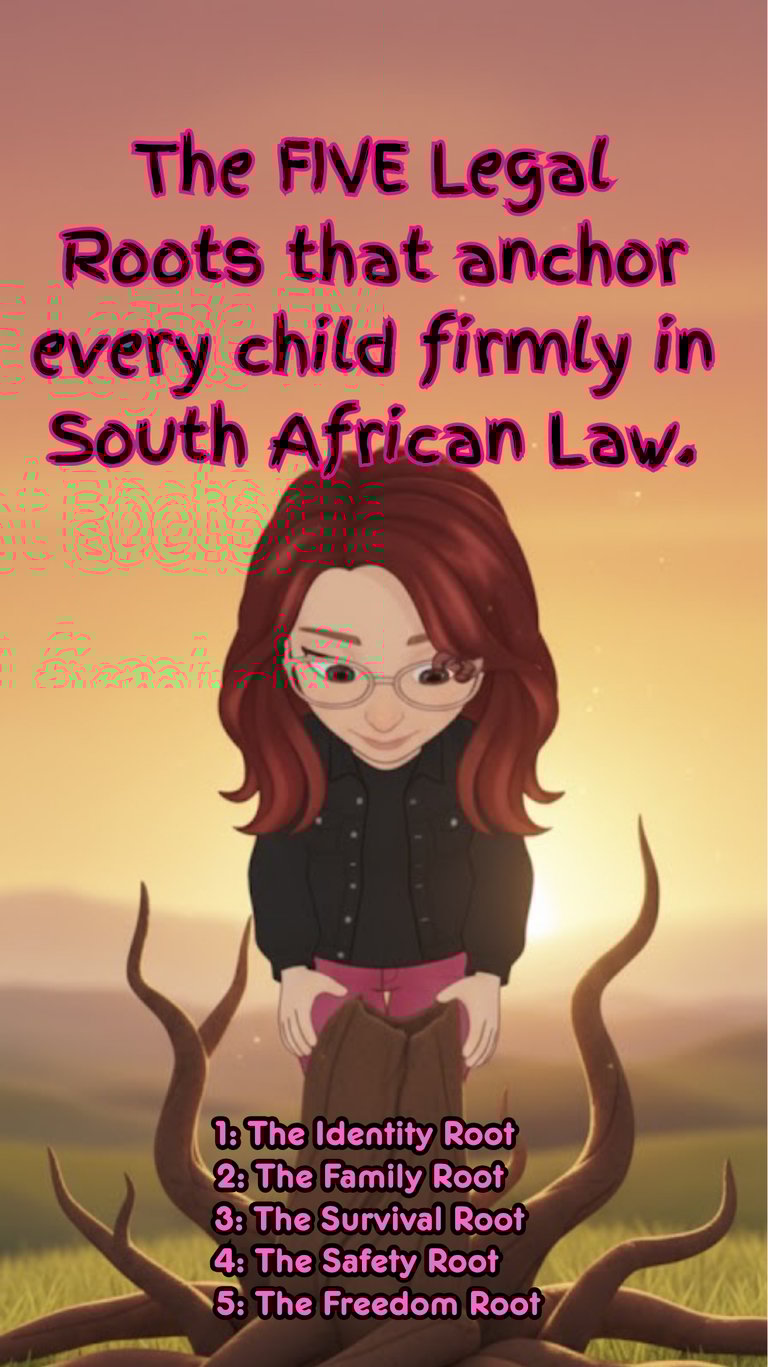
Today, we are starting at the very beginning. The soil.
When Children Were Just "Property"...
It wasn’t always like this.
For a long time, under old Roman-Dutch law, children were seen more as the possessions of their parents (specifically fathers) rather than people with their own rights. The law focused on "Parental Authority"—who had the power to boss the child around.
But history shows us that not all parents act in a child’s favor, even if they think they are "good" parents. The law had to step in because children needed to be seen and protected, not just owned.
The shift began with landmark cases like Fletcher v Fletcher in 1948, which first whispered that the Best Interests of the Child should matter more than the father's power. It evolved through cases like McCall v McCall in 1994, which gave us a checklist for what those interests actually looked like..
Today, we have a new "Boss" in town.
The Constitution of South Africa decided that the Best Interest of the Child is the ultimate ruler. It is the sun that overlooks the entire legal garden.
Why? Because we realized that if we don't protect the roots today, we won't have strong trees to provide shade tomorrow. We need to cultivate these seedlings so they can grow into the future.
So, let’s put on our gardening gloves and look at the 5 Legal Roots (found in Section 28 of the Constitution) that anchor every child firmly in our soil.
Root 1: The Identity Root
"Every child has a right to a name and a nationality from birth."
Just like you label your plants so you know what they are, every child has the right to be known. This isn't just about a birth certificate; it’s about belonging. Without this root, a child is invisible to the state and the law.
Root 2: The Family Root (Right to Family Care)
"Every child has the right to family care or parental care."
This is the root system that holds the plant steady when the wind blows. It places the primary responsibility on the family to provide love and stability. But, if the family environment fails, the law steps in to provide "appropriate alternative care."
Root 3: The Water Root (Basic Needs)
"Every child has the right to basic nutrition, shelter, basic health care services, and social services."
A plant cannot grow without water. A child cannot develop without food, a roof over their head, and a doctor when they are sick. This root ensures that economic struggles do not starve a child of their future.
Root 4: The Fence Root (Protection from Harm)
"Every child has the right to be protected from maltreatment, neglect, abuse, or degradation."
Every good garden needs a fence. This legal root is the barrier against the "pests" of society—abuse and neglect. It requires both parents and the State to stand guard.
Root 5: The Freedom Root (Protection from Exploitation)
"Every child has the right to be protected from exploitative labour practices."
A sapling cannot carry the weight of a full-grown tree. This root ensures children aren't forced to work in ways that hurt their development, education, or mental health. They are allowed to just be children.
The Sun: The Best Interests Principle
Section 28(2): "A child's best interests are of paramount importance in every matter concerning the child."
Finally, overlooking the entire garden is the Sun.
Crucially, all five of these roots are overseen by this one paramount principle. Whether it's a court, a guardian, or the government making a decision, they must ask: "Does this help the garden grow?"
If the answer is no, the law says: Don't do it.
This is just the beginning of our tour through the Legal Garden. Stay tuned for our next post where we zoom in on Root 1: The Identity Root—because before a plant can grow, you have to know what kind of seed you've planted.